
Practical guides for UK solicitors
AI in legal practice, time capture, billing and case management — written by lawyers, for lawyers.
Latest articles

How to Get SRA Authorisation for a New Law Firm: The Complete Guide
Everything a new UK law firm needs for SRA authorisation: the routes, the requirements, a full preparation checklist, realistic timelines and costs, and the mistakes that delay applications.

Choosing the Right Case Management Software: The 2026 Buying Guide
How to choose case management software for a UK law firm in 2026; the features that matter, the questions to ask, and the mistakes to avoid.

Running a Small Law Firm: The Complete Operations Checklist
Everything a small UK law firm needs to run; from client onboarding to SRA compliance, billing, IT, and risk management.

How to Price Legal Services: Fixed Fees vs Hourly Rates
How UK law firms should think about pricing; the trade-offs between fixed fees and hourly rates, and when each works.

The SRA Compliance Toolkit: How to Prepare for Your Firm Assessment
What the SRA Compliance Toolkit covers, how to prepare for a firm assessment, and the practical steps every firm should take.

Text Your Clients From the Matter File
OrdoLux now sends and receives client text messages from a dedicated firm number. Replies find the right matter on their own, time records itself, and every message lands on the file. Here's how it works.
Client Money and Account Segregation: A Guide for Sole Practitioners
How client money rules work for sole practitioners and small firms; the practical steps to stay SRA-compliant.
File Closure Procedures: Getting It Right at the End of a Matter
How to close a legal matter properly; the steps, the compliance checks, and the common mistakes.

GDPR and Data Protection for UK Law Firms
A practical guide to GDPR and data protection for UK law firms; what the law requires and how to comply.
AI and Regulatory Compliance in Law Firms — What Solicitors Need to Know
How AI tools interact with SRA, ICO, and professional obligations — a practical guide for UK solicitors.

AI and Information Barriers: Keeping Chinese Walls Intact
Key design choices to stop AI tools leaking information across departments or clients inside a firm.

Using AI on Internal Complaints and HR Issues (Carefully)
Where AI can help HR and management teams with internal investigations and complaints, and where it should stay out.

What Regulators Are Saying About Legal AI (and What It Means Day to Day)
A plain-English summary of recent regulator commentary on AI, and how to translate it into policies and workflows.

AI Red Lines: When Not to Use AI on a Matter
Examples of matters and tasks where AI should not be used, or only with tight guardrails, in a UK firm.

Negotiating AI and Data Clauses with SaaS Vendors
Key points to cover when you’re agreeing terms with AI and SaaS providers handling client data.

Retention and Deletion of AI Outputs on Matters
Practical retention rules for prompts, outputs and logs so you don’t create a second, messier file.
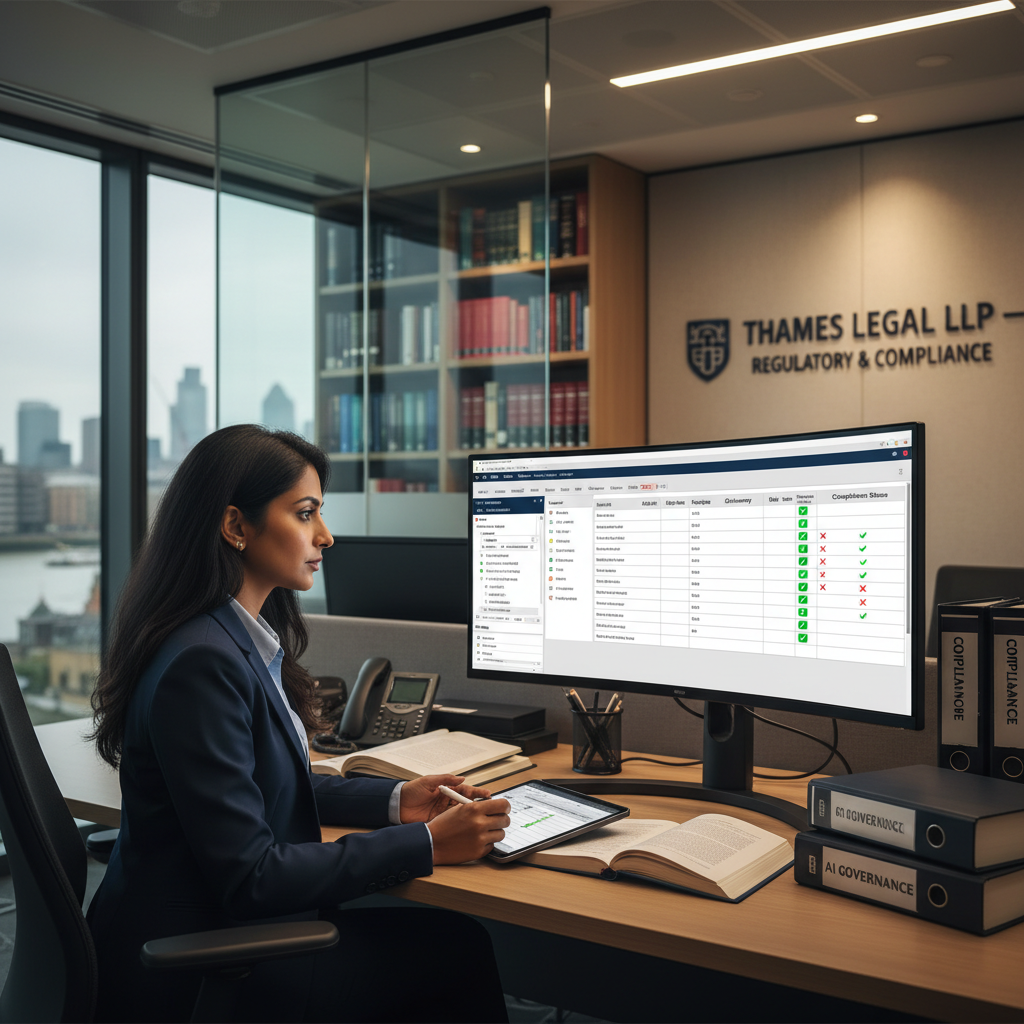
Logging AI Use on Matters: Audit Trails That Supervisors Actually Read
The SRA and insurers will want to know how AI was used on a matter. Here's exactly what UK firms should record to satisfy partners, COLPs and professional indemnity insurers.

Conflicts and KYC Checks with AI: Faster Searches, Human Decisions
How AI can support conflicts and KYC checks by aggregating data and flagging matches, while keeping final decisions with compliance.

AI on Complaints and Negligence Files: Speed Up Review, Not Blame
How AI can help firms triage and analyse complaints and professional negligence files while staying aligned with duties to clients and insurers.

Microsoft 365 and Legal AI: Integration Patterns That Make Sense for Firms
How to combine Outlook, SharePoint and AI tools so that casework, documents and time capture live in one joined-up workflow.

AI Policies for Law Firms That People Actually Read
Every UK law firm using AI needs a policy — but most are too long to read. This guide shows how to write one that supports adoption, manages risk and actually gets followed.

Evaluating Legal AI Tools: A Practical Testing Framework
A simple evaluation framework for legal teams to test AI tools using realistic matters, golden answers and clear acceptance criteria.

Confidentiality and Privilege When Using AI in Your Firm
Solicitors using AI risk breaching privilege without realising it. This guide covers the exact steps UK firms should take — from vetting AI vendors to safe daily practice.

Hallucinations in Legal AI: How to Spot and Control Them
AI hallucinations in legal work can be career-ending. This guide explains why they happen, how to spot them before they reach a client or court, and what guardrails to put in place.

RAG vs Fine-Tuning: Which Do Law Firms Actually Need?
A plain-English guide to retrieval-augmented generation versus fine-tuning, and when each approach makes sense for legal research, knowledge and document review.

How to Run an AI Risk Assessment in Your Firm
Every UK firm using AI needs a simple risk register. This guide shows how to inventory use cases, score risk, select controls and document sign-off — without overcomplicating it.

The EU AI Act and UK Law Firms: A Practical 2025 Playbook
The EU AI Act affects UK firms using AI tools with European clients or systems. Here's what you actually need to do — policies, supplier checks and risk inventories explained.

Ethics & Professional Duties When Using AI (for Solicitors)
The SRA expects solicitors to understand any AI tool they use. Here's what that means in practice — competence, supervision, confidentiality and your duty to the court.
Data Privacy & Confidentiality When Using AI in UK Law Firms
UK GDPR and SRA obligations create specific risks when solicitors use AI. This guide sets out what lawful, confidential AI use actually looks like in a UK law firm.

AI in Judgments: Where the Line Sits (and What Solicitors Should Expect)
UK courts are beginning to engage with AI in submissions and bundles. Here's what solicitors need to know about judicial expectations and practical implications in 2026.

Five Common Misconceptions About AI in Legal Practice
Think AI writes the advice, or that confidentiality is impossible? This guide separates the most common myths from the practical reality for UK law firms.

AI in Legal Research: Precision Without the ‘Phantom Cases’
AI tools regularly invent case citations that don't exist. This guide gives UK solicitors practical guardrails to verify research, catch hallucinations and stay court-ready.
The SRA Compliance Toolkit: How to Prepare for Your Firm Assessment
What the SRA Compliance Toolkit covers, how to prepare for a firm assessment, and the practical steps every firm should take.
Client Money and Account Segregation: A Guide for Sole Practitioners
How client money rules work for sole practitioners and small firms; the practical steps to stay SRA-compliant.
File Closure Procedures: Getting It Right at the End of a Matter
How to close a legal matter properly; the steps, the compliance checks, and the common mistakes.
GDPR and Data Protection for UK Law Firms
A practical guide to GDPR and data protection for UK law firms; what the law requires and how to comply.
AML Compliance for Law Firms: A Practical Checklist
A practical AML compliance checklist for UK law firms; what the regulations require and how to build a process that holds up.
SRA Accounts Rules: What's Changed and What Firms Must Do
A practical guide to the SRA Accounts Rules for UK law firms; what the rules require and how to stay compliant.

WhatsApp for Law Firms: Capturing Time and Clients on the Go
How law firms are using WhatsApp to capture billable time, communicate with clients, and run aspects of practice from a phone.

E-Signature for Law Firms: When You Can and Can't Use It
A practical guide to electronic signatures for UK solicitors; what's legally valid, what requires wet ink, and how to introduce e-signature safely.
Why SharePoint Is the Best Document Store for Law Firms
Why SharePoint inside the firm's own Microsoft 365 tenancy is the right document storage choice for UK law firms.

The Hidden VAT Trap in the Consultant Model: And How to Fix It
Taking on consultants means giving away 70-80% of your profit costs. But the real problem isn't the split; it's the VAT timing gap between invoicing the client and reclaiming input VAT on the consultant's fee. Here's how it works, and how OrdoLux fixes it.

Thinking About Closing Down Your Legal Aid Practice? Think Again.
Legal aid rates are rising, but firms are still closing their legal aid departments. The problem isn't the fees; it's the workflow. Here's how to make legal aid commercially viable without waiting for the government.
AML Compliance in 2026 — Why Your KYC Should Live Inside Your Case Management System
The SRA's AML enforcement is sharper than ever. Here's why integrated KYC inside your case management system beats a standalone verification tool.

Why Legal Tech Adoption Fails — and How to Do It Differently
The real reasons law firms struggle with new technology adoption, and what actually works.
Matter Management Best Practices for UK Law Firms
How UK solicitors can run tighter matters — from file opening to close, with less dropped information and fewer missed deadlines.
Legal Billing for UK Solicitors — A Practical Guide
How to structure billing processes, avoid disputes, and get paid faster — a straightforward guide for UK law firms.
Document Management for Law Firms — Practical Advice for UK Solicitors
How UK law firms should approach document storage, version control, and retrieval — and why SharePoint is becoming the standard.

Client Onboarding for Law Firms — Getting It Right From the Start
How UK law firms can build a client onboarding process that is compliant, efficient, and sets the right expectations.

Time Recording Habits That Actually Stick — A Guide for Solicitors
Why most time recording fails, and the practical habits that help solicitors capture more billable time with less friction.

Measuring ROI on Legal AI Projects (Before the Board Asks)
A simple framework for tracking costs and benefits of AI initiatives in a law firm.

Preparing Board and Partner Packs with Help from AI
Using AI to compile KPIs, case studies and risk summaries for management meetings without fudging the numbers.

AI for Knowledge Management and Precedent Banks
Practical ways to use AI to surface know‑how, clause variants and past work without building a full KM team.
Why Consultant Law Firms Need Different Practice Management Software
Most legal practice management software was designed for traditional employee-based firms. Here is why that matters if you are running a consultant solicitor model — and what to look for instead.

Building a Realistic AI Roadmap for Your Firm
How to turn AI enthusiasm into a simple 12–18 month roadmap with clear priorities and owners.

Managing Remote and Hybrid Teams with AI-Supported Workflows
Where AI can help keep dispersed teams aligned on tasks, notes and time capture.

Avoiding Vendor Lock-In with Legal AI Tools
Questions to ask providers so your firm can move models or platforms later without redoing everything.
Buying Case Management Software with ‘AI Features’: What to Look For
A buyer’s checklist for law firms evaluating case management systems that claim to have AI built in.
AI in Legal Aid Practices: Doing More with Tight Margins
Ways that legal aid firms can use AI to manage volume work, supervision and time capture without breaking the budget.

Running Your First AI Pilot in a High-Street Firm
Most AI pilots in law firms fail because they produce anecdotes, not evidence. This four-week plan gives small UK firms a structured way to test, measure and decide.

Training Support Staff and PAs to Use AI Safely
A framework for bringing secretaries and PAs into the firm’s AI plans, including guardrails, training and supervision.

Driving Legal AI Adoption in a Small Firm: Four Moves That Actually Work
Getting partners and fee earners to actually use AI tools is harder than buying them. These change-management tactics work in small UK firms without committees or jargon.

The Near-Term Future of Legal Tech: What Firms Should Prepare For
Five durable trends reshaping how UK law firms operate — from AI time capture to matter intelligence. No hype, just changes you can act on now.

Private Client Workflow: Wills, LPAs, and Estate Administration
A practical guide to the three core private client workflows; wills, lasting powers of attorney, and estate administration.

The Conveyancing Process — A Step-by-Step Guide for UK Solicitors
How the residential conveyancing process actually works in England and Wales — from instruction to completion.
AI in Property Law Practice — Practical Uses for UK Conveyancers
How AI tools can support residential and commercial property work in UK law firms — and where careful judgment is still essential.

AI in Employment Law Practice — Practical Uses and Limits for UK Solicitors
How employment lawyers can use AI tools sensibly — research, correspondence, and the areas that require human judgment.

AI and Witness Evidence Preparation — What Solicitors Should Know
How AI tools can support witness evidence work, and where the risks and limits lie for UK litigators.

Using AI to Improve File Opening and Closing
How AI can streamline file opening checks, matter set‑up and closing summaries, feeding your case management system.

AI-Supported Mediation and Settlement Strategy
How litigators can use AI to explore options, model scenarios and prepare for mediation while keeping judgment with humans.

Structuring Counsel’s Instructions with Help from AI
How to use AI to organise facts, issues and questions before briefing counsel, without letting a model write the advice.

AI for Inquests and Coroners’ Work: Chronologies and Bundles
AI can cut hours off inquest preparation. This guide covers how to use it for chronologies, bundle building and document review in coronial practice — and where to stay hands-on.

AI in Property Transactions: Enquiries, Reports and Client Updates
Using AI to help with standard enquiries, reports on title and progress updates in conveyancing — while keeping partners comfortable with the risk.

AI in Immigration Practice: Managing Complexity and Language
How immigration teams can use AI to handle long forms, guidance and multilingual documents without losing accuracy.

AI in Family Law: Opportunities, Limits and Red Lines
AI can draft letters, summarise files and flag deadlines in family law — but there are clear limits. Here's an honest guide to where it helps and where it must not be used.

AI for Tasks and Deadlines: Extracting Action Points from Correspondence
Using AI to pull out tasks, dates and deadlines from long email chains and letters, feeding your case management system automatically.

Trial Bundles and Document Lists: Where AI Can (and Can’t) Help
Using AI to help with bundling, pagination and document lists for hearings, while keeping ultimate control with the litigation team.

Using AI for Attendance Notes and Conferences (Without Losing Nuance)
Ways to use AI to draft and refine attendance notes while keeping human judgment, tone and privilege front and centre.

Building a Matter Chronology with AI: One Source of Truth, Not Ten Spreadsheets
A practical approach to using AI to maintain a live chronology for complex matters, fed from emails, notes and documents.

AI in Disclosure and eDiscovery: Practical Uses and Red Lines
Where AI can safely speed up disclosure and eDiscovery work, where human review is still essential, and how to explain your approach to opponents and the court.

Reducing Time Write-Offs with Better AI-Driven Time Capture
Using AI to spot missing time, identify under-recorded work and give partners better visibility before bills go out.
6 Months Free — OrdoLux Founding Firm Access
We are opening OrdoLux to a small number of founding firms — 6 months of full platform access, completely free, no credit card required.
WhatsApp Time Capture for Law Firms: Messages, Voice Notes and Documents — onto the File
How a WhatsApp-first workflow can capture messages, transcribe voice notes, file documents into SharePoint and generate time entries automatically — without breaking supervision or audit trails.

AI for Legal Business Development: Smarter Pitches and Tenders
Practical ways to use AI to draft, tailor and proofread tenders and pitch documents without promising things the firm cannot deliver.

AI Time Capture for Email and Documents: What ‘Good’ Actually Looks Like
Key design principles for AI-driven time capture that fee earners trust, focusing on email, documents and background work.

Talking to Clients About Legal AI: Transparency Without Alarm
How to explain your use of AI to clients in engagement letters, tenders and conversations.

Refreshing Standard Letters and Precedents with AI
How to use AI to modernise standard letters and precedent banks, while keeping control of risk and tone.

Using AI in Due Diligence Without Missing Red Flags
How to apply AI to contract and document review in due diligence while keeping lawyers firmly in control of risk, sampling and reporting.
Client Communication in the Age of AI: Faster Without Losing the Human
Clients expect faster, clearer updates. This guide shows UK solicitors how to use AI to speed up communications without losing the judgment and empathy clients actually pay for.

AI-Powered Contract Review: Where Firms Actually Win
AI can triage contracts, extract clauses and flag variances in minutes. Here's a step-by-step approach for UK solicitors to save time on review without losing control of the risk.

Building a Prompt Library Your Firm Will Actually Use
How to create, govern and maintain a library of prompts that reflects your firm’s way of working.

Designing Your ‘Matter Copilot’: AI as a Junior Team Member
How to think about AI as a junior colleague on each file, and design clear responsibilities and boundaries.

AI Email Thread Summaries: Turning Inbox Chaos into Case Strategy
How UK litigators and advisers can use AI to summarise long email threads into clear next steps, without missing the important nuance.

Prompt Engineering for Solicitors: Getting Reliable Results from AI
How solicitors can structure prompts, constraints and checks to get reliable, repeatable outputs from AI tools without turning into prompt hobbyists.
Legal AI for UK Solicitors: Guides & Workflows
A practical guide for UK solicitors using AI — covering legal research, disclosure, time capture and billing. Straight-talking, UK-focused, updated for 2026.
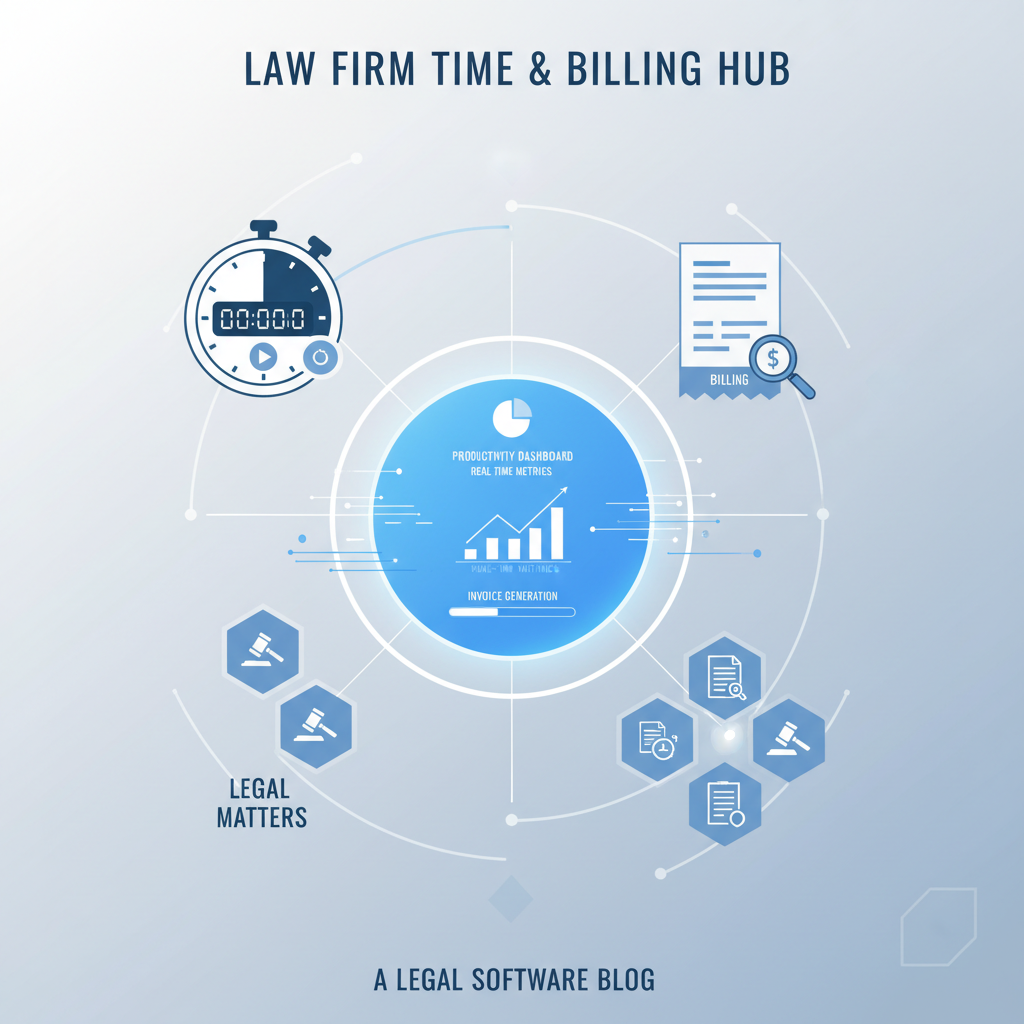
Time Capture & Billing for Law Firms: Guides & Workflows
Missed time costs UK law firms thousands every month. This hub covers the tools, habits and AI workflows that help fee earners capture more and bill accurately.